Start with sample information
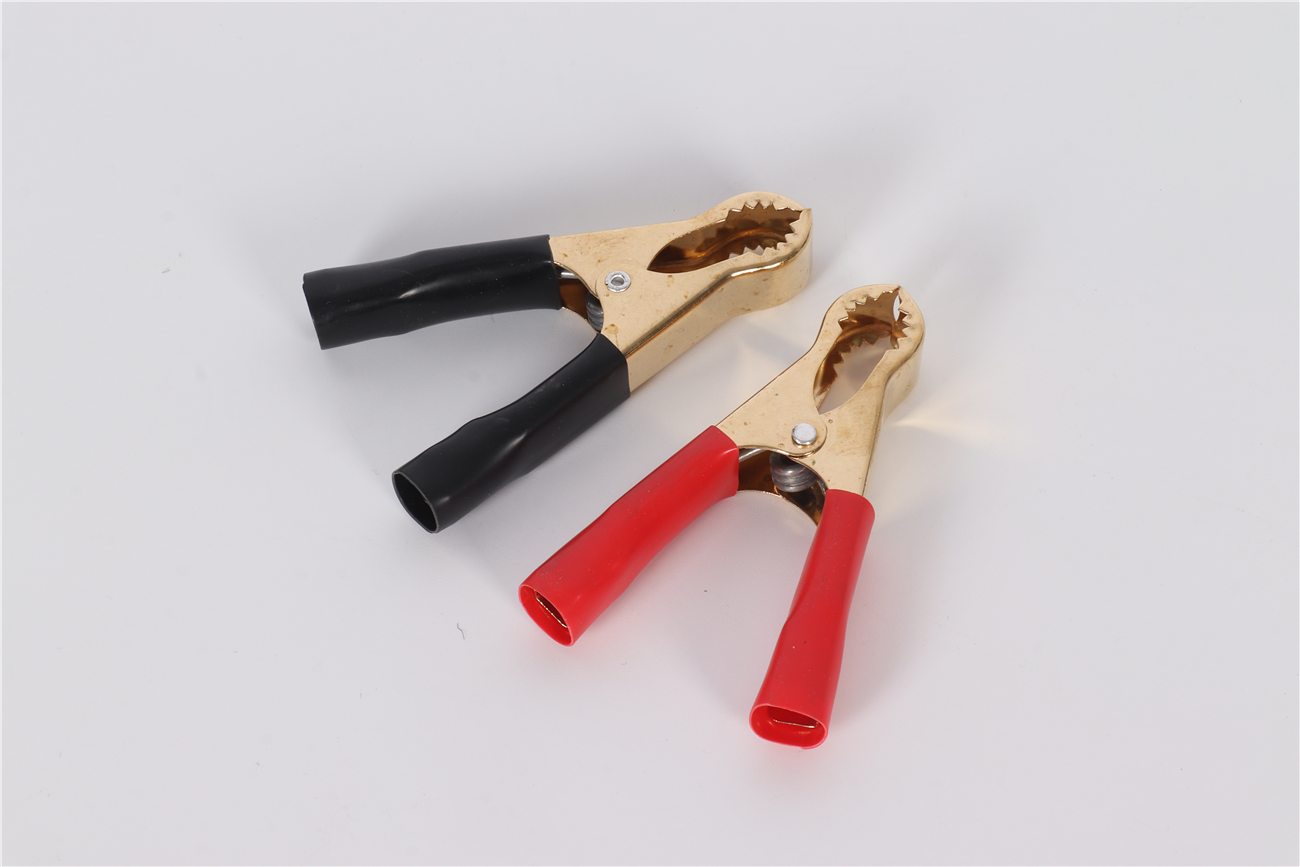
Old sample photos, dimensions, terminal close-ups, wire length and application details are helpful. Clear photos can start matching even without drawings.
Technical article
Low-MOQ custom harness projects should organize photos, length, terminal, gauge, functional parts, packing and target market information early.
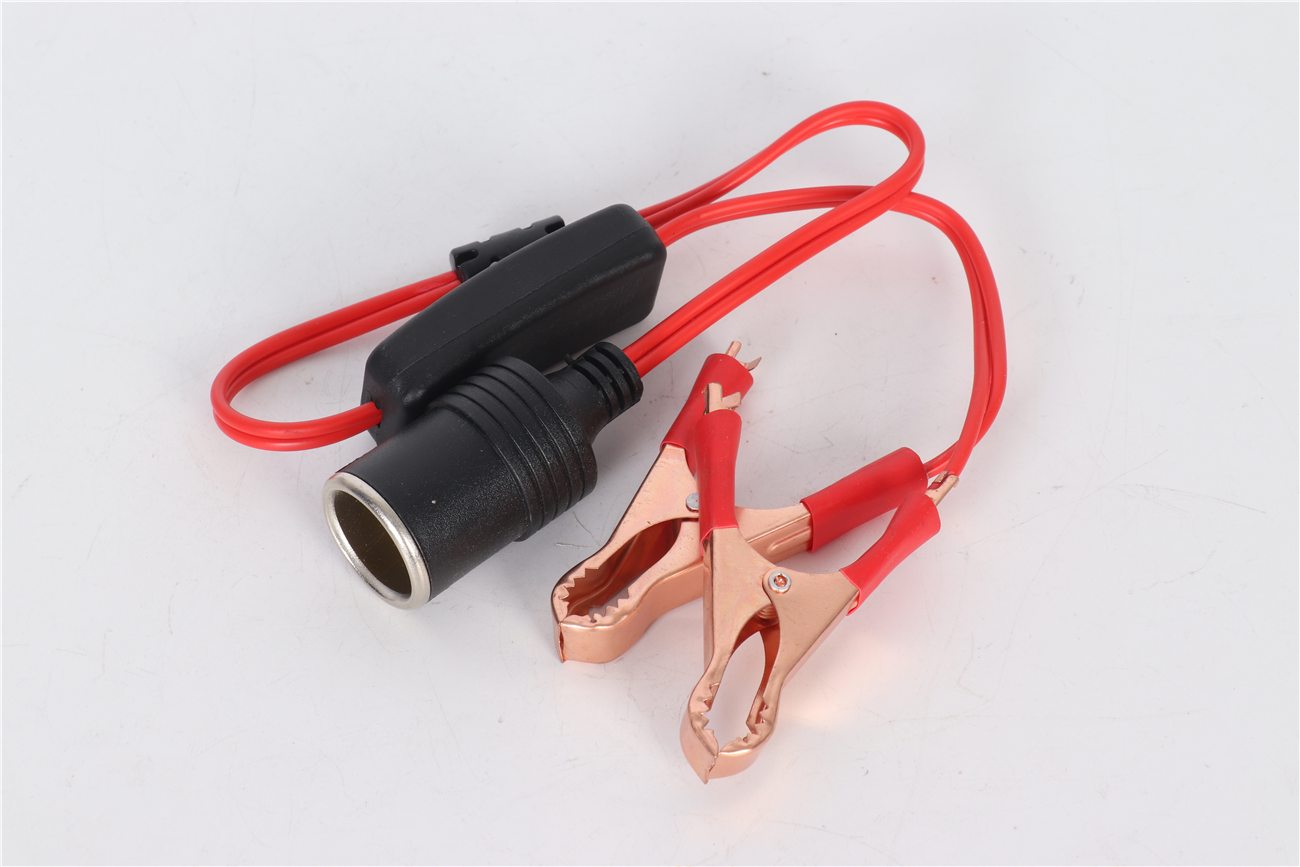
Product detail / OEM selection
Use these points to confirm sample, drawing, RFQ and batch order requirements.
Detail
Custom wire harness low MOQ is a common need for overseas startups, repair tools and project buyers. Small quantity does not mean vague information: clearer specifications make sampling and quotation faster.
Information
Old sample photos, dimensions, terminal close-ups, wire length and application details are helpful. Clear photos can start matching even without drawings.
Wire gauge, length, color, terminal, DC plug, switch, fuse, ferrite and polarity are common RFQ points. Mark positions for functional parts.
Low-MOQ projects often start by checking available components, then deciding whether special assembly is needed. Separate sample time from batch lead time.
Even for small quantities, labels, bag quantity and carton information reduce sorting work after arrival.
Buying Reference
Review the product, specification and packing details by application.
FAQ
Check the product, quantity, specification and packing details before sending an inquiry.
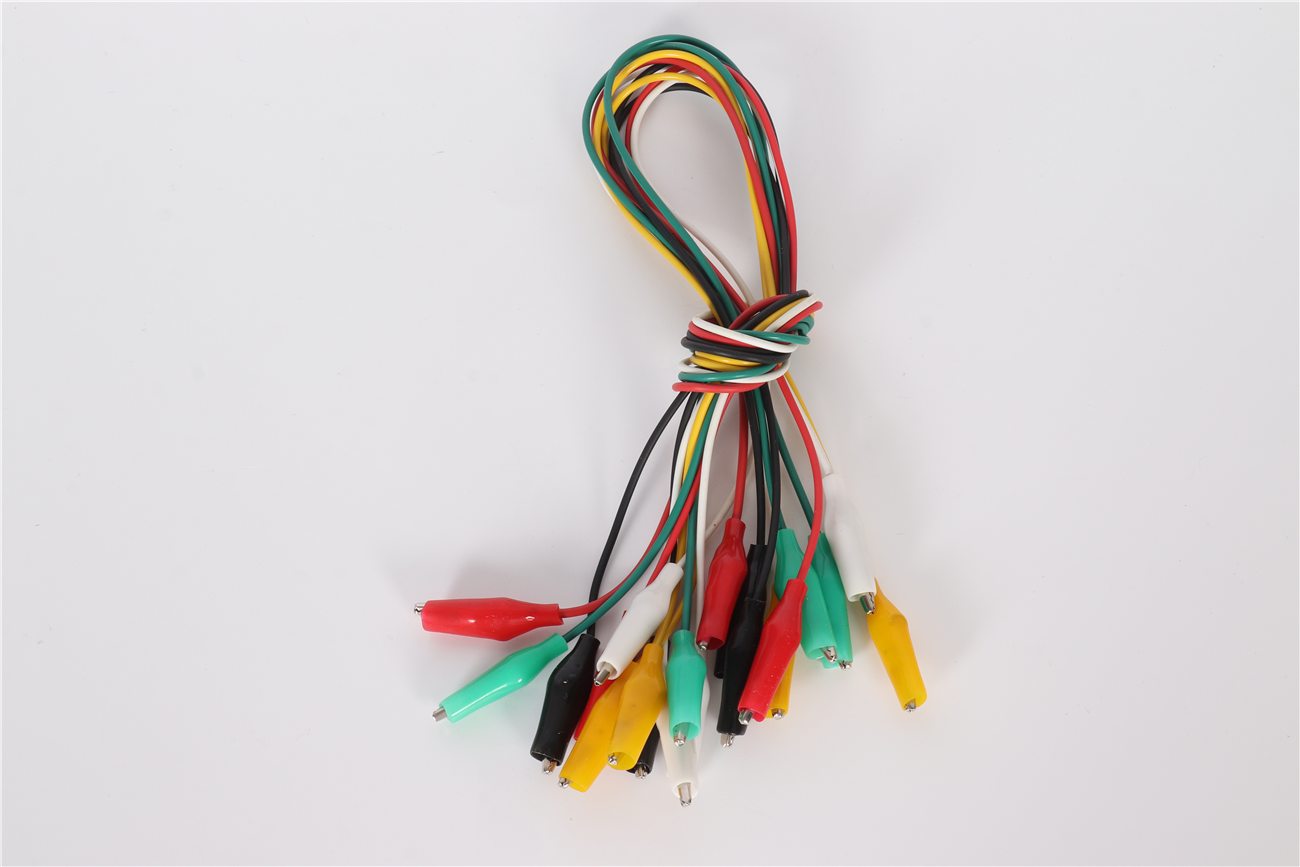
Use the application notes to check installation, wiring, use and packing details before choosing a product.
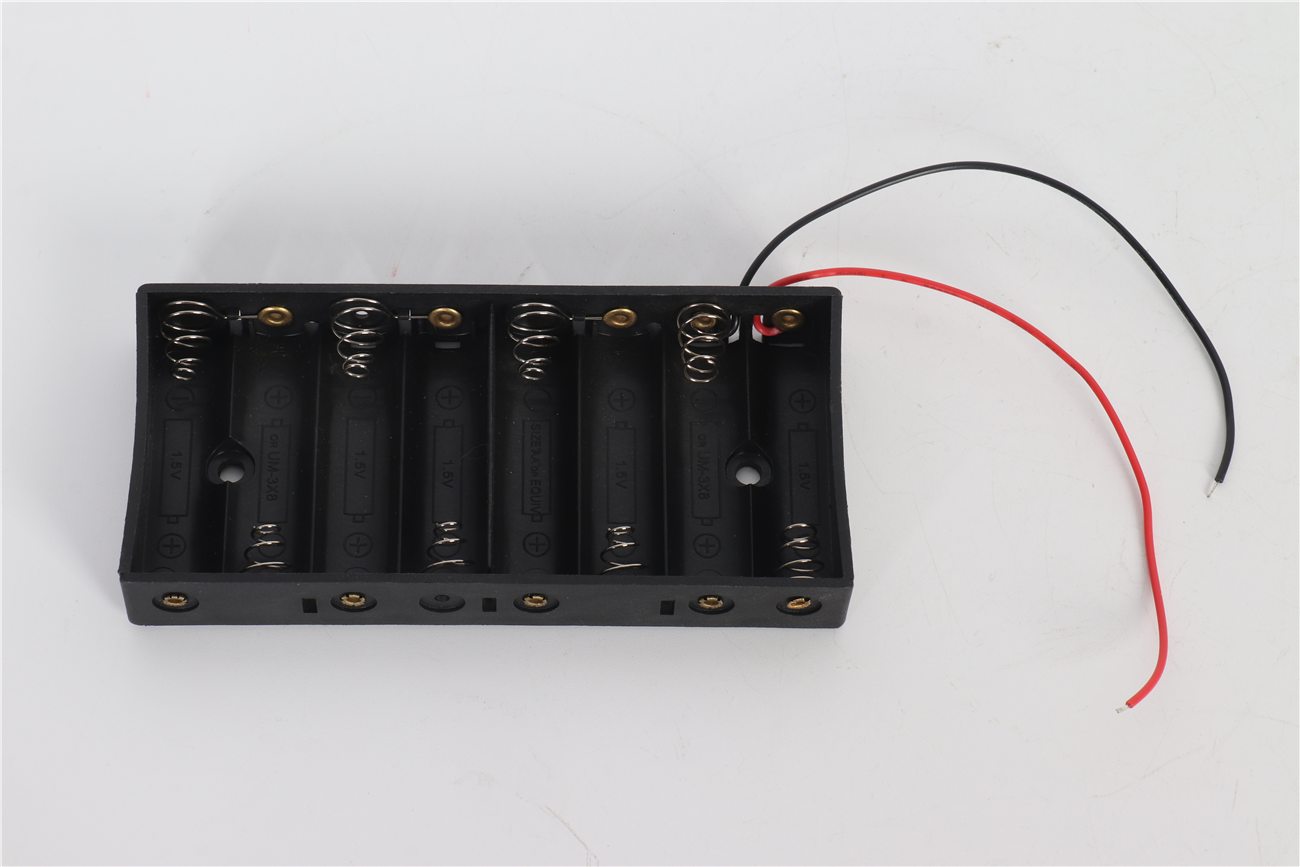
US buyers often compare battery type, wire length, private label packing and replenishment speed before placing repeat orders.
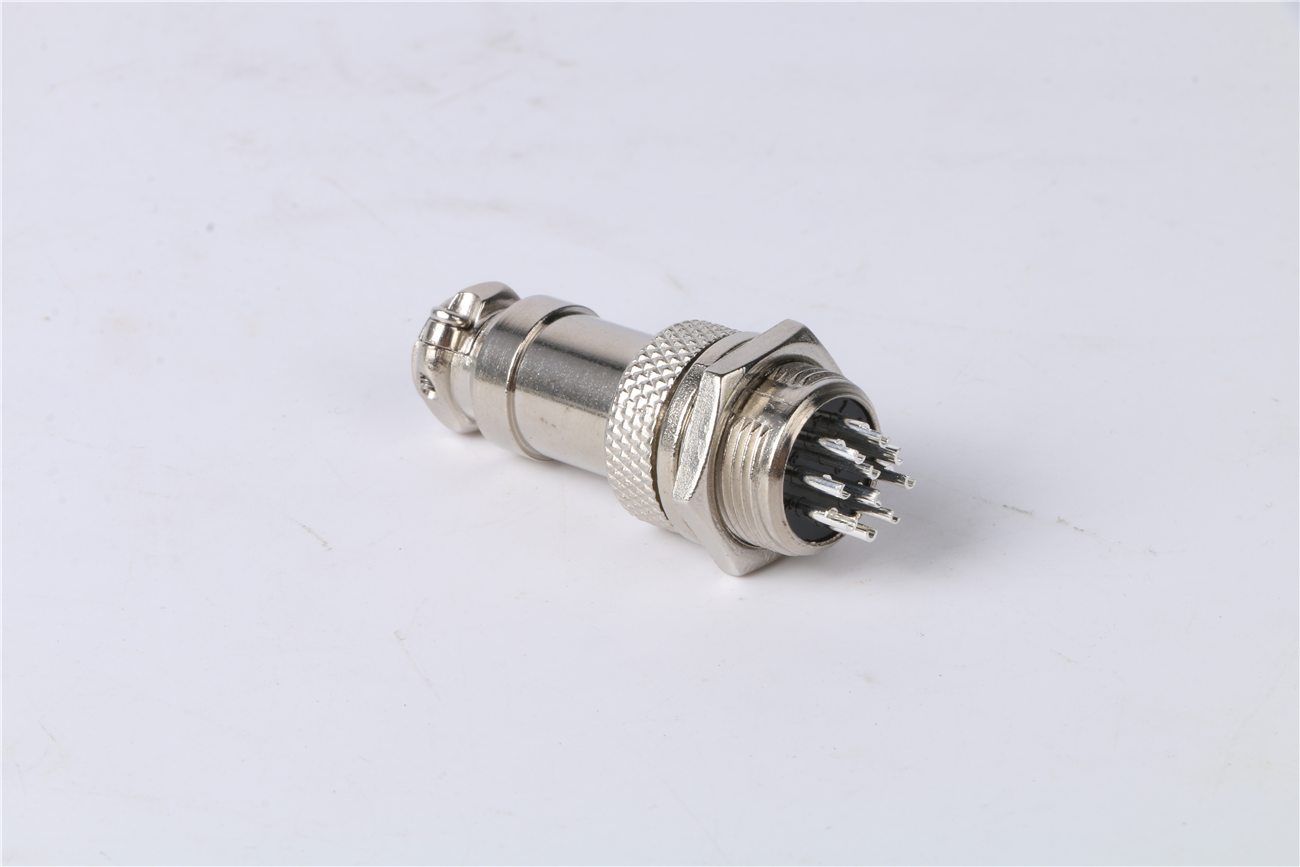
Germany-focused buyers usually expect clear specifications, early document discussion and stable label or packing control.
Submit product requirement, quantity, country and drawing or photo request for multi-item quotation.